

Table of Contents
- Introduction
- What To Do First: Registering The Death And Checking For Prior Arrangements
- How To Choose A Funeral Director You Can Trust
- Planning A Meaningful Funeral Service
- Understanding Funeral Costs And How To Pre-Plan With Confidence
- Wrapping Up
- Frequently Asked Questions
In the first hours after a death, arranging a funeral can feel overwhelming.
You may already be searching for how to arrange a funeral in the UK while still in shock.
A clear, gentle guide can ease that weight by setting out each step in order. In this article, we explain how to register the death, choose a funeral director, plan the service, and understand the funeral costs involved. As Valentines Funerals, a family-run, multi award-winning team in Orpington serving Bromley, West Wickham, and the wider Kent area, we walk families through this every day.
If you feel unsure where to begin, stay with us as we move together through each stage with care and calm.
Main Points
-
Registering the death comes first. It gives you the official paperwork that crematoria, cemeteries, and funeral directors need. Without this step, dates and bookings generally cannot be confirmed.
-
Choosing a trusted funeral director early eases pressure. They guide you through forms, timings, and phone calls, so you can focus more on family and remembrance.
-
A funeral service can reflect any faith, culture, or personal wish. Quiet simplicity and full traditional rites are both possible. What matters most is that the farewell feels right for those who loved the person.
-
Financial help exists if money is tight. Government schemes, estate funds, and insurance can all contribute. Honest discussion about budget with your funeral director keeps costs under control.
-
Pre-planning a funeral sets out your wishes in advance. It spares relatives from hard decisions later on. Many people find real peace of mind from knowing these details are settled.
What To Do First: Registering The Death And Checking For Prior Arrangements
When you are working out what to do first after a death, you start by registering the death and checking any prior arrangements. These early steps give you the legal documents and guidance you need before planning the funeral itself.
According to GOV.UK in England and Wales:
-
A death usually must be registered at the local register office within five days, unless a coroner is involved.
-
Registration is normally carried out by a close relative and provides the certificates and forms needed for burial or cremation.
-
If the death has been reported to a coroner, they will explain when registration can go ahead.
Once registration is in hand, it helps to pause and look for any wishes your loved one left. This may be written in a Will, stored with important papers, or held in an email folder or filing box.
-
Look for a pre-paid funeral plan in their name. Many plans set out the style of funeral, music, and whether they preferred burial or cremation. The plan provider and your funeral director can explain exactly what is already covered.
-
Check for life insurance or funeral insurance documents. These policies often help towards the cost of the funeral. We at Valentines Funerals can guide you on how providers usually release funds.
-
Read any funeral wishes mentioned in the Will or on a separate document. In law, these wishes are not binding in England and Wales, but families almost always try to follow them when they can.
If your loved one wished to be laid to rest abroad, or died overseas, extra steps around repatriation may apply. In those situations, we can speak with the coroner and overseas authorities on your behalf so you do not feel alone with unfamiliar forms and procedures.
How To Choose A Funeral Director You Can Trust
Choosing a funeral director you can trust means looking at their professional standards, pricing, and the feeling you get when you speak with them. This decision can bring real relief, as a good team carries many tasks for you.
Professional membership is a strong sign of quality. Bodies such as the National Association of Funeral Directors (NAFD) and SAIF set codes of practice and training standards for their members. Funeral directors across the UK are also legally required to publish clear price lists so families can compare costs fairly.
When you contact a funeral director, notice how they listen and explain each stage. You should never feel rushed or pressured into choices.
“You should never feel rushed or pushed into decisions about a funeral. Take the time you need to ask questions.” — Guidance often given by bereavement charities
Useful questions to ask include:
-
Are you a member of NAFD or SAIF? This shows commitment to ongoing training and external oversight. It also gives you a formal route if you ever need to raise a concern.
-
Can I have an itemised estimate before I agree to anything? A good funeral director breaks down their own fees, third-party charges, and any extras. This makes it far easier to work within a budget.
-
What experience do you have with different religions, cultures, and special requests? Families in Orpington, Bromley, and Kent often ask us about Sikh, Jewish, Greek Orthodox, and non-religious funerals, as well as repatriation abroad. You should feel confident that your customs will be respected.
At Valentines Funerals, we are a multi award-winning, family-run funeral director serving Orpington, Bromley, West Wickham, and the wider Kent community. Our Managing Director, Gary Valentine-Fuller, is Immediate Past President of the London Association of Funeral Directors, which reflects our long-standing commitment to high standards. We offer a 24-hour service, honest pricing with no hidden fees, and a personal “Have It Your Way” approach that focuses on the little touches that matter most.
Planning A Meaningful Funeral Service
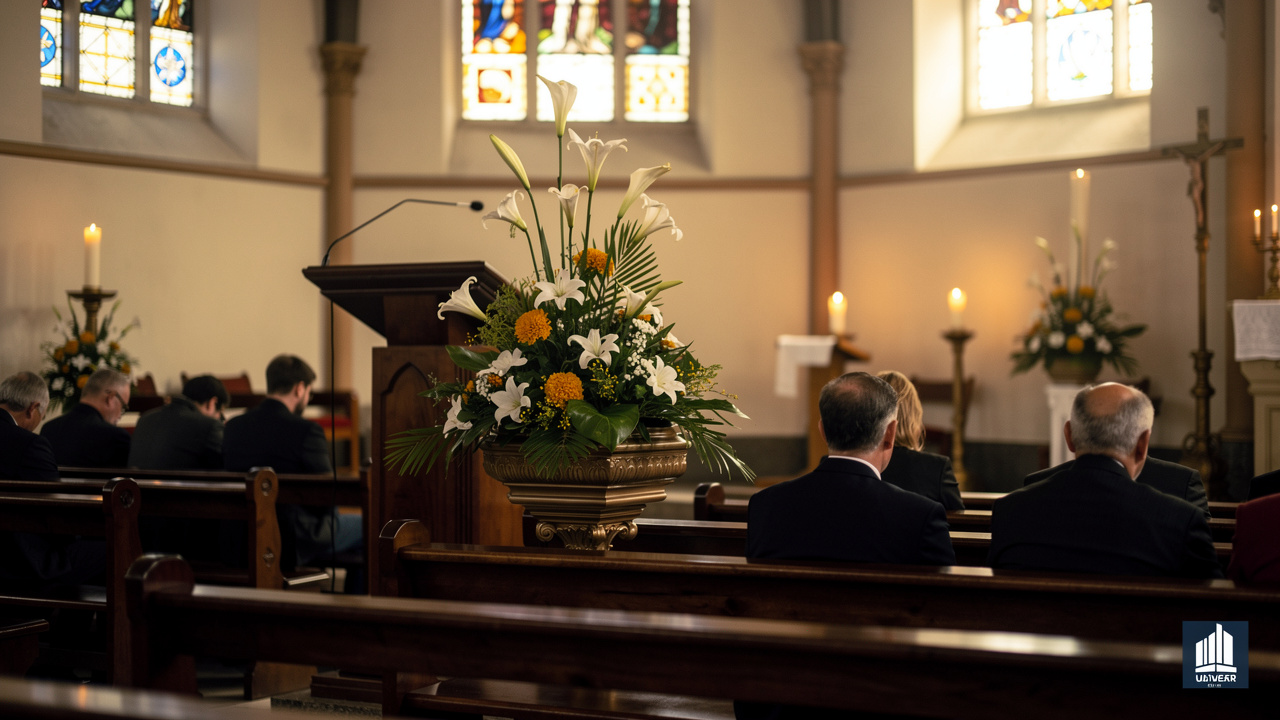
Planning a meaningful funeral service in the UK means deciding on burial or cremation, the style of ceremony, and the personal details that reflect a life. Thoughtful choices here help family and friends grieve and remember together.
One key decision is between burial and cremation, and for families who experience pregnancy loss, guidance on care of late intrauterine fetal death and stillbirth provides important clinical and practical context around the specific funeral rights that apply. Research from the Cremation Society shows that around three quarters of funerals in Britain now involve cremation. Factors such as faith, family tradition, cost, and local availability of burial plots all play a part.
To help you think things through, it can be useful to compare options side by side:
| Option | Some Families Prefer It Because… | Things To Check |
|---|---|---|
| Burial | Offers a grave to visit and a long-term resting place | Plot availability, grave upkeep, local cemetery fees |
| Cremation | Can give more choice over location for the service and ashes | Crematorium dates, where ashes may be scattered or kept |
Next comes the style of service. This might be a full religious ceremony, a non-religious celebration of life, a small family gathering at the graveside, or a simple direct cremation followed by a later memorial.
-
Choose who will lead the service. This may be a vicar, priest, imam, rabbi, another faith leader, or a civil celebrant from groups such as Humanists UK or the Institute of Civil Funerals. At Valentines Funerals, we can suggest celebrants and faith leaders who suit the tone you have in mind.
-
Plan music, readings, and tributes. Favourite songs, hymns, poems, or family stories can all be woven into the ceremony. We often help families create simple orders of service that bring these elements together.
-
Decide how you want the space to look and feel. Flowers, photographs, and personal items can turn a chapel or place of worship into a warm reflection of your loved one. Our in-house floristry team can create arrangements that match favourite colours or themes, and our monumental masonry service provides lasting memorials later on.
Many crematoria now offer live-streaming so relatives far away can join the service online, or a recording that can be watched later. For families in Orpington, Bromley, and Kent, we can also help arrange reception venues and catering after the funeral, giving people time to share memories in a relaxed setting.
Understanding Funeral Costs And How To Pre-Plan With Confidence

Understanding funeral costs in the UK helps you make calm, informed choices and avoid unwelcome surprises. Knowing how pre-planning works can also protect your family from rising prices in future.
Recent research from SunLife suggests that the average cost of a basic funeral in the UK now sits at just over four thousand pounds. Actual figures vary by region and by the choices you make, which is why a clear breakdown matters.
Typical costs fall into three main areas:
-
Funeral director fees usually cover professional services, care of the person who has died, and coordination of the day itself. This may include the hearse and staff on the day of the funeral. At Valentines Funerals, we explain these fees in plain language.
-
Third-party charges (disbursements) include crematorium or cemetery fees, the officiant’s fee, doctors’ fees where needed, and any newspaper notices. These are paid by the funeral director on your behalf, then added to the account.
-
Optional extras can range from flowers and printed orders of service to limousines, reception catering, and memorial masonry. Discussing these early helps align expectations with your budget.
Families worried about payment have several possible sources of help, and for those in circumstances where no family can meet costs, research on Public Health Funerals in England documents how local authorities provide a safety net for the most vulnerable. According to MoneyHelper, support may come from a pre-paid plan, life insurance, the person’s estate, or government schemes. These include the Funeral Expenses Payment for people on certain benefits and the Children’s Funeral Fund for funerals of children under 18 or babies stillborn after 24 weeks.
For those who wish to plan ahead, we at Valentines Funerals work in partnership with Westerleigh Funeral Plans, part of the Westerleigh Group, which cares for tens of thousands of families each year. A pre-paid plan lets you fix key funeral costs at today’s prices and set out your wishes in writing. We offer gentle, no-obligation appointments in Orpington or at your home across Bromley, West Wickham, and Kent to talk through the options.
Wrapping Up
Arranging a funeral in the UK often feels like a lot, especially when grief is fresh. By registering the death, checking any prior wishes, choosing a trusted funeral director, planning a fitting service, and understanding costs, you can move through each step with more confidence.
At Valentines Funerals, our family-run team is here for you every hour of the day. Whether you need immediate help after a death or wish to pre-plan your own funeral, we are always ready to listen, explain, and support families across Orpington, Bromley, West Wickham, and the wider Kent area.
Frequently Asked Questions
This section answers common questions about arranging a funeral in the UK, from timings to affordability and special services. Each answer stands alone, so you can read the ones that matter most to you right now.
Question 1: How long does it take to arrange a funeral in the UK?
A funeral in the UK usually takes place within five to fourteen days after a death. The exact timing depends on how quickly the death is registered, whether a coroner is involved, family availability, and the diary of the crematorium, cemetery, or place of worship.
Question 2: Can a family arrange a funeral without a funeral director?
Yes, a family can legally arrange a funeral without using a funeral director. However, this involves contacting doctors, registrars, cemeteries or crematoria, and organising vehicles, paperwork, and care of the person. Many families choose a director because the support greatly reduces stress.
Question 3: What happens if a family cannot afford a funeral?
If a family cannot afford a funeral, help may be available through the Funeral Expenses Payment or the Children’s Funeral Fund. Family members can also use money from the estate or an insurance policy. We at Valentines Funerals always encourage open talks about budget so we can suggest dignified, lower-cost options.
Question 4: Does Valentines Funerals offer repatriation services?
Yes, Valentines Funerals provides full repatriation services for families who need a loved one taken abroad or brought back to the UK. We liaise with airlines, consulates, overseas funeral providers, and coroners, handling documentation and logistics with care so families in Orpington, Bromley, and Kent feel supported throughout.