

When someone dies abroad, families often ask “what is repatriation of a body?” On top of shock and grief, distance and unfamiliar rules can leave everyone confused and frightened. Paperwork, language barriers and time zones all add pressure just when calm feels impossible.
Body repatriation means arranging for someone’s remains to return home safely, with the correct legal documents and transport. In this guide, we explain each step in clear language so you know what happens from the first phone call to your loved one arriving back in the United Kingdom. We also outline how long the process usually takes, what it may cost, and how a local funeral director can help.
At Valentines Funerals in Orpington, we guide families across Bromley, West Wickham and wider Kent through repatriation every week. What follows is gentle, practical information that you can read at your own pace. If you feel ready, read on to see how we can walk beside you step by step.
“Take things one step at a time and let others handle the paperwork where possible.”
— Advice we often share with families at Valentines Funerals
Overview
This section gives a short overview of the main points before we look at each part in more detail. You can come back to it whenever you need a quick reminder.
-
Body repatriation means the return of someone who has died to another country for their funeral or cremation. The phrase “what is repatriation of a body” often comes up when a death happens far from home. It describes a formal process with specific paperwork and careful transport.
-
The process follows clear stages that sit in a set order. Authorities record the death, documents come together, the body is prepared, then travel takes place. With experienced help, families do not have to arrange each stage alone.
-
Time and cost differ from case to case but some patterns repeat. Most repatriations finish within a few weeks, with many around the ten to fifteen day mark. Costs usually sit in the low thousands, often between two and five thousand pounds.
-
At Valentines Funerals, we handle all contact with consulates, airlines and coroners so you can focus on your grief. We respect every culture and religion in our community and stay available at any hour if you need answers or reassurance.
Table of Contents
- What Is Repatriation Of A Body?
- How Does The Body Repatriation Process Work Step By Step?
- How Long Does Repatriation Take And What Does It Cost?
- How Valentines Funerals Supports Families Through Repatriation
- Kokkuvõte
- Frequently Asked Questions
What Is Repatriation Of A Body?

Repatriation of a body means the organised return of someone who has died to the country chosen for their funeral or cremation. In many cases, that country is the place of birth or the place the person called home for most of their life.
When families ask what is repatriation of a body, they usually face a sudden loss in another country, or they need someone taken from the United Kingdom to be buried overseas. Repatriation covers both directions. It might involve bringing a British citizen back to Kent from Europe, or taking a relative from Orpington to South Asia, Africa or Eastern Europe.
The reasons feel deeply personal, and research on Return to homeland: Bereaved caregivers highlights how repatriation to a country of origin can meaningfully shape a family’s experience of loss and quality of end-of-life care. For example, families may wish:
-
To follow religious rules about burial in the homeland
-
To lay someone to rest near parents, grandparents or an ancestral graveyard
-
To keep funeral customs that matter to their community
Across Bromley, West Wickham and Kent, we see many different cultures, and repatriation often helps families keep important traditions.
Behind the emotion sits a formal legal process that links foreign authorities, the Foreign, Commonwealth & Development Office, airlines and funeral directors. That process can feel heavy when you are grieving, which is why we step in to guide and arrange each stage for you.
How Does The Body Repatriation Process Work Step By Step?
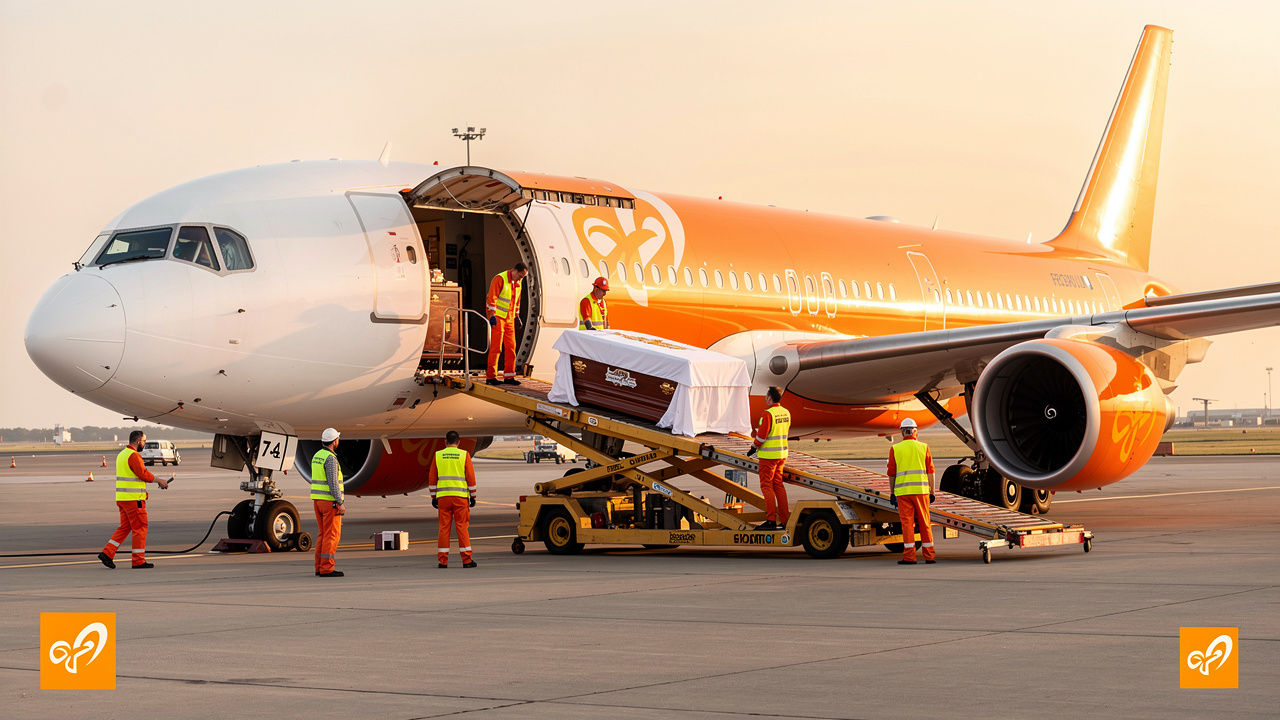
The body repatriation process follows a clear set of stages that we manage on your behalf. Knowing the order of events helps many families feel a little more steady at a very hard time. Here is how the process usually unfolds when someone dies outside the United Kingdom.
According to GOV.UK, the Foreign, Commonwealth & Development Office works through more than 270 embassies, high commissions and consulates worldwide to advise families after a death overseas.
“You must register a death in the country where the person died.”
— GOV.UK
-
Notify The Authorities Abroad
The first step is to tell the local police or equivalent authority in the country where the death took place. We also advise contact with the nearest British Embassy, High Commission or Consulate, which can explain local rules and help you find trusted contacts — a step that echoes the coordinated multi-agency approach described in studies on Naming death: the labor of forensic officials and counselors during the formal restitution of bodies in humanitarian search contexts. If the death happened on a package holiday, the tour company can often give useful help and speak with local staff for you. -
Register The Death And Gather Documents
The death must be registered in the country where it happened, following local law. From that point, several key documents come together, such as:-
The local death certificate
-
An English translation, if needed
-
Permission to move the body (sometimes called a “leave to remove” or similar)
-
An embalming certificate
-
The passport of the person who has died
We work with overseas funeral homes and consular staff so these papers reach us as quickly and correctly as possible.
-
-
Prepare The Body For Travel
Before any flight, the body needs careful preparation — a process governed by established standards, as outlined in guidance on Human body donation programs best practices, which reflects the broader professional standards applied to the respectful handling and transport of human remains. This often includes embalming so the person remains in a suitable condition during transport. Many countries ask for a zinc-lined or hermetically sealed coffin, so we arrange a coffin that meets airline and health rules. Our team handles these details quietly in the background and explains what will happen in simple, respectful terms. -
Arrange Air Transport And Track The Flight
In most cases, the body travels by air as cargo on a standard passenger flight. We:-
Book the flight and pay the airline charges
-
Confirm handling at both airports
-
Share the Air Waybill number, which works like a tracking code for the coffin
You may choose to travel on the same aircraft, and we can advise if the airline allows that arrangement and how to link your booking.
-
-
Arrival In The UK And The Coroner Review
When the flight lands, we collect your loved one from the airport and deal with customs checks. The paperwork then goes to the local coroner, who decides whether any post mortem or inquest is needed, especially after sudden or unexplained deaths — a handover process covered in detail in guidance on Hospital to Funeral Home transfers, which sets out protocols for the safe and documented passage of remains between institutions. If no further checks are needed, the Registrar issues a Certificate of No Liability to Register, which allows the funeral or cremation to take place in your chosen part of Kent.
Throughout each step, our team at Valentines Funerals stays in contact with you, explains what comes next and answers any questions as they arise.
How Long Does Repatriation Take And What Does It Cost?
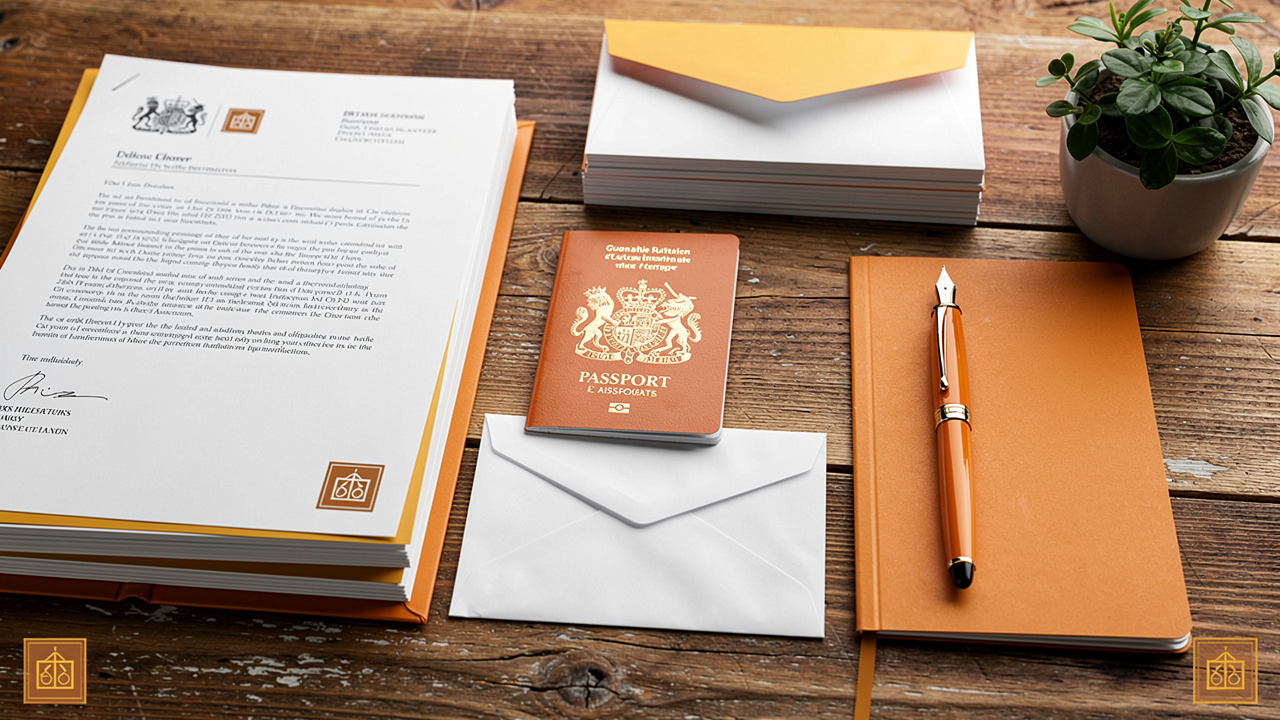
Repatriation usually takes around ten to fifteen days from the time of death, although some cases finish sooner and others take longer. Repatriation costs most often fall between about £2,000 and £5,000, mainly shaped by distance, flight prices and local charges.
The timeline depends on several factors, such as:
-
How quickly local authorities issue certificates
-
How busy the consulate is
-
The number of available flights from that country
-
Whether the coroner in the UK needs further checks
-
Public holidays or national events in either country
Long-haul locations or remote areas can add extra days. You can still start to plan the funeral service in Orpington or Bromley, but we suggest waiting to fix an exact date until the key documents are in place.
Guidance from MoneyHelper explains that repatriation often adds several thousand pounds to normal funeral costs, and The Legal and Ethical framework governing body handling across Europe further illustrates why documentation and compliance requirements can contribute to these additional expenses. The figure usually includes:
-
Collection abroad and care of the body
-
Embalming
-
A suitable coffin that meets airline rules
-
Transport to the airport overseas
-
The flight itself
-
Handling of customs and paperwork in the UK
The table below gives a simple overview:
| Cost / Time Factor | Typical Impact | Notes |
|---|---|---|
| Distance And Flight Route | Higher for long-haul or indirect flights | Direct flights are often quicker and cheaper if available |
| Local Medical Or Legal Fees | Can add several hundred pounds | Varies by country and cause of death |
| Coffin And Preparation | Fixed part of most quotes | Must meet airline and health rules |
| UK Airport And Handling Fees | Usually a smaller share of the total | Included in many funeral director estimates |
| Coroner Or Registrar Delays | Can extend the timeline | More likely after sudden or unexplained deaths |
Travel insurance can ease the pressure. Research from ABTA reports that roughly one in five UK holidaymakers travel without insurance, so we always suggest checking any policy early. If cover exists, we help you speak with the insurer and follow their process so bills are paid correctly and promptly.
Tip: Keep electronic copies of passports, travel insurance and booking details so they are easy to access if you ever need them in an emergency abroad.
How Valentines Funerals Supports Families Through Repatriation
Valentines Funerals supports families through repatriation by taking on the practical work while offering calm, human care. Our small, family-run team in Orpington looks after paperwork, transport and contact with officials, so you can focus on memories and loved ones.
We know that every family, faith and culture has its own wishes for care of the body and the funeral that follows. We listen closely to what matters to you, then shape our service around those wishes. Our pricing stays clear at every stage, with no hidden extras that appear later.
Here is how we usually help when someone asks us what is repatriation of a body and needs real support, not just words:
-
We speak with embassies, consulates, overseas funeral homes and airlines, so you do not have to make complex calls from your kitchen table. Our experience means we already know many of the forms and contacts. That saves time and reduces stress.
-
We manage all documents, from death certificates and translations to permits and customs forms. Our team checks details carefully, which helps avoid delays. You always receive copies for your own records, explained in plain English.
-
We respect all cultural and religious practices, including specific washing rites, clothing or timing needs. Families across Bromley, West Wickham and Kent trust us with Christian, Muslim, Hindu, Sikh and many other traditions. We treat every person with the same quiet dignity.
-
We start to plan the funeral in the United Kingdom while repatriation moves forward. That can include choices around burial or cremation, vehicles, flowers and small personal touches. By the time your loved one arrives, most of the service can already be in place.
-
Where needed, we can link you with local faith leaders, registrars or support groups who understand your customs and language.
We at Valentines Funerals stay on call day and night, so you can reach us whenever a worry appears.
Repatriation can feel like a maze of forms, flights and rules at a time when you have very little energy. With an experienced, gentle funeral director beside you, that process becomes a series of clear steps that you do not have to face alone.
For families across Orpington, Bromley and the wider Kent area, we at Valentines Funerals provide that steady support. We guide you through what is repatriation of a body, from the first phone call to the final goodbye. If you need help now, or simply want to ask questions for the future, please contact us and speak to our caring team.
Frequently Asked Questions
This section answers some of the questions we hear most often about repatriation. Each reply stands alone, so you can read whatever feels helpful right now.
Question: Can I repatriate a body from the UK to another country?
Yes, you can repatriate a body from the United Kingdom to another country. The coroner needs formal notice, and an Out of England certificate or similar document must be issued. We handle these steps, plus the coffin, paperwork and flights, for families who wish to bury abroad.
Question: Do I need travel insurance to cover repatriation costs?
You do not have to hold travel insurance, but it can reduce costs a great deal. Many policies include repatriation of remains, sometimes in full. We suggest checking any policy documents as soon as possible and letting us help with contact to the insurer so claims are handled correctly.
Question: Will I be able to travel on the same flight as my loved one?
In many cases, you can travel on the same aircraft as your loved one. It depends on the airline rules, the route and ticket availability. We can explain the options, speak with the airline on your behalf and help you travel as close in time as possible.
Question: What happens if there is an inquest after my loved one arrives in the UK?
If the coroner decides to hold an inquest, the funeral must wait until the inquiry finishes. The coroner reviews all documents and may order a post mortem. Once the coroner issues the relevant certificates, the funeral can go ahead. We guide you through each stage and keep you updated so you always know what is happening.