
Arranging a Funeral
Beliefs, identity and values
Arrange a funeral that reflects the person’s faith, culture, non-religious beliefs, identity and environmental values.
A funeral should recognise the person who has died and the people who are saying goodbye. That may mean following a faith or cultural tradition, creating a non-religious ceremony, respecting someone’s name and identity, choosing lower-impact options, or bringing several traditions together.
We will not expect you to fit a standard format. Tell us what must happen, what must not happen and where you would like guidance. If a practice is unfamiliar to us, we will listen and work with the appropriate family or community contact rather than make assumptions.
Religious and cultural funerals
Faith and cultural practice can affect how soon the funeral should take place, how the person is cared for, who may wash or dress them, the coffin or shroud, prayers and readings, the place of worship, the ceremony leader and what happens at burial or cremation.
It helps to tell us early about:
- any time-sensitive requirement
- who should be involved in caring for the person
- the preferred place of worship, cemetery, burial ground or crematorium;
- the role of a minister, faith leader, family elder or community representative;
- requirements for the coffin, shroud, orientation, prayers, music, food or mourning period.
Non-religious and humanist funerals
A non-religious funeral can focus on the person’s life, relationships and values without religious worship. It may be led by a humanist life celebrant, a family member or friend, and can include music, readings, silence, stories and personal tributes.
The ceremony does not have to follow a fixed script. The person leading the service can help shape a clear structure and make sure the important parts of the person’s story are represented accurately.
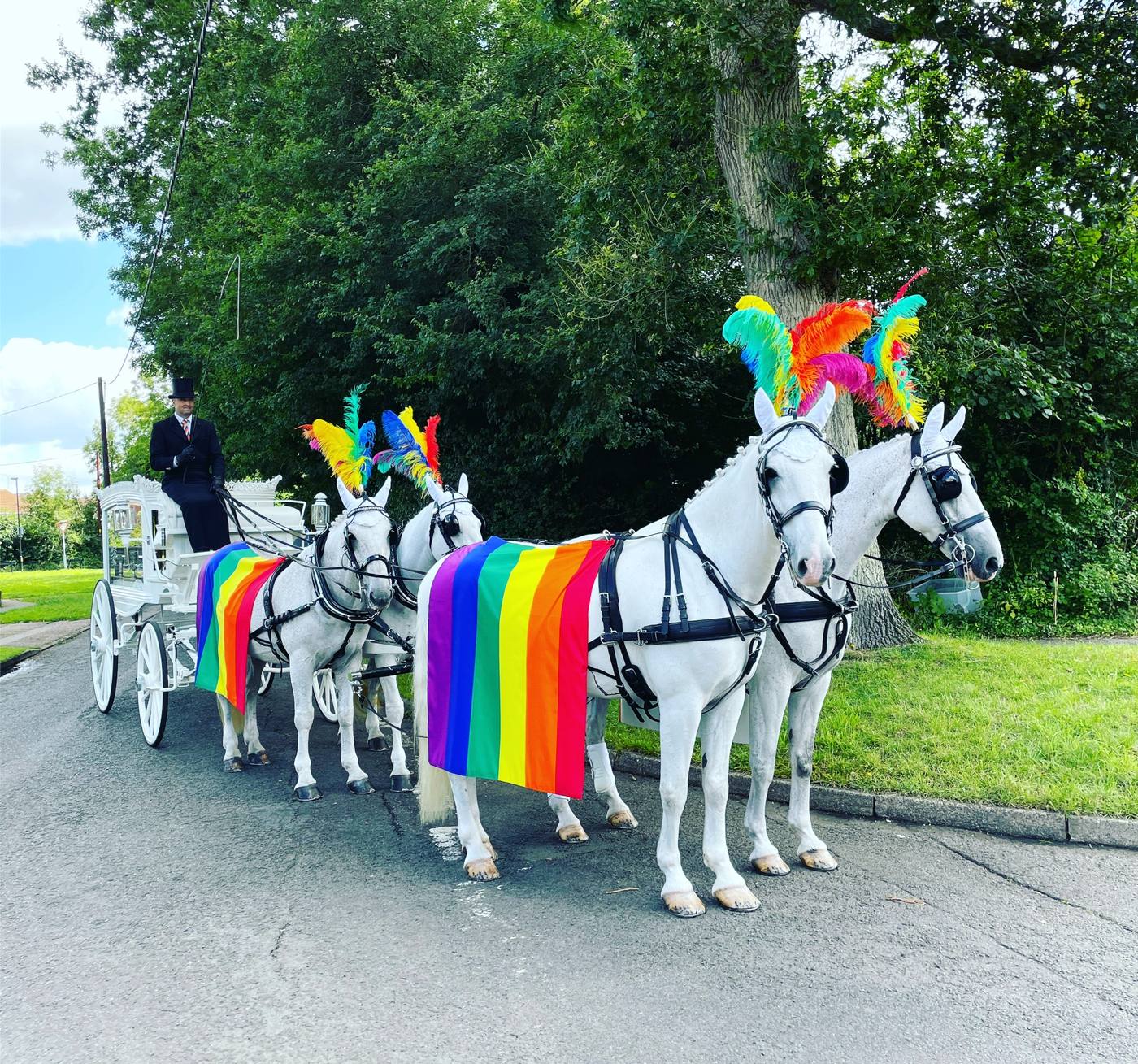
LGBTQ+ funerals
We will use the person’s correct name, title and pronouns and respect the relationships and chosen family that mattered to them. Tell us privately if there are family dynamics, disclosure concerns or safety considerations that need careful handling.
The ceremony, clothing, photographs, music and tributes can reflect the person as they lived. Information shared with us will be handled with discretion and only used to arrange the funeral as agreed.
Greener funeral choices
A greener funeral is not one fixed package. The environmental effect can be influenced by the type and location of the funeral, travel, the coffin and materials, flowers, printed items, memorial choices and what happens to ashes.
Depending on the funeral and local requirements, you may wish to consider:
- a local venue, cemetery, crematorium or burial ground that reduces travel;
- a coffin or shroud made from materials accepted by the chosen venue;
- seasonal flowers, living plants, charitable donations or fewer floral tributes;
- digital communication or a smaller print run for orders of service;
- shared transport or a simpler procession
- a natural burial ground or lower-impact memorial choice, where available and appropriate.
We will check that any product or option is permitted by the chosen crematorium, cemetery or burial ground before it is confirmed.
Frequently asked questions
Yes. Many families bring together different beliefs, cultures or family traditions. We can help agree a respectful structure with the people leading or contributing to the ceremony.
This may be possible, depending on the circumstances, the person’s condition, the facilities and any legal or health requirements. Tell us as early as possible so that we can discuss what is appropriate and safe.
No. A family member or friend may lead the ceremony, but a celebrant can help plan the structure, gather memories and lead on the day. We can explain the options.
We will use the agreed name, title and pronouns and follow the family’s instructions about clothing, presentation, photographs and ceremony wording. Tell us about any privacy or family considerations that need sensitive handling.
Not necessarily. Travel, materials, land management and personal choices all affect the overall impact. We can help compare practical options, but we will avoid making environmental claims that cannot be evidenced.
Talk to someone who can help
If someone has died or you need immediate guidance, call either of our branch numbers for 24-hour assistance.
You do not need to know what to ask. We will take you through the next steps.
For non-urgent enquiries, you can request an estimate or contact us online. We will respond during office hours 09:00-16:00.